
The Right Way to Use High Beams
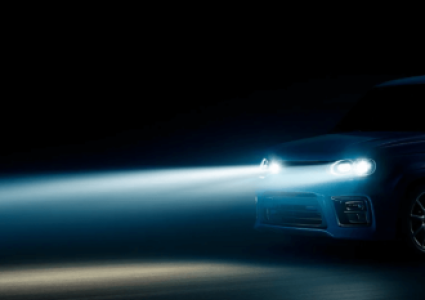
High beams deliver 8,000–12,000 lumens and illuminate up to 500 feet—far surpassing low beams, which provide 4,000–6,000 lumens and reach 200–300 feet.
In the United States, drivers are legally required to switch from high to low beams when an oncoming vehicle is within 500 feet, and when following another car within 300 feet, to prevent blinding other road users. Additionally, high-beam use is prohibited in fog, heavy rain, or snowfall because the light reflects back and worsens visibility.
Violating high-beam rules can lead to fines and other administrative penalties, including possible points on your license and increased insurance premiums.
Legal Requirements Across U.S. States
High-beam (and headlight-use) regulations vary noticeably from state to state. This isn’t legislative whim; it’s an effort to adapt rules to local conditions—roadway infrastructure, weather patterns, and more. Some states require you to dim high beams for oncoming traffic within 500 feet (≈152 m), while others set the threshold at 300 feet (≈91 m). Similarly, when following another vehicle, high beams must be turned off at distances ranging from 200 to 300 feet.
| State | Dim-distance for oncoming traffic | Dim-distance when following another vehicle |
| Connecticut | 500 feet | 300 feet |
| Texas | 1,000 feet (for headlight use in low-visibility conditions) | 300 feet |
| California | 500 feet | 300 feet |
These minor—but important—differences make it essential for drivers to study each state’s specific rules.
Special Cases: When High Beams Are Mandatory—or Strictly Forbidden
Not all situations are equal, and the law accounts for that. In 37 states, headlights (including high beams, if safe) must be used in construction zones regardless of the time of day; fines in these zones are typically doubled.
Yet there are counter-intuitive bans: high beams are strictly prohibited in fog, rain, or snow because the light reflects off droplets and flakes, creating a “wall of glare” that reduces visibility. In such conditions, use low beams or dedicated fog lamps.
Quick-reference table:
| Weather condition | Recommended beam type | Reason |
| Fog | Low beams or fog lamps | Prevents reflected glare |
| Snowfall | Low beams | Reduces glare from snowflakes |
| Heavy rain | Low beams | Improves visibility without blinding others |
Flash your highs in fog and you risk blinding yourself—and creating a hazard for everyone else.
Automatic High-Beam Systems
Many modern cars feature automatic high-beam control, using sensors to detect oncoming or leading vehicles. These systems are legal and safety-compliant, but the driver remains responsible for correct headlight usage. In fog, rain, or snow, automatic control may not perform properly, so manual switching to low beams is required.
Twelve states mandate annual inspection of these systems during vehicle safety checks, underscoring the need to keep headlights in proper working order.
Communicating with Other Drivers
High beams aren’t just about visibility—they’re a form of communication. Misuse can come across as aggression or disrespect. A few etiquette tips:
- Don’t flash high beams without cause. Repeated flashing may be interpreted as road rage or a warning about police ahead, potentially provoking conflict or a stop.
- If you’re dazzled—don’t stare into the light. Gently shift your gaze to the right edge of the road and use lane markings to stay on course.
- Be ready to switch to low beams instantly when other vehicles appear. This is especially important on winding roads, hills, and near intersections where oncoming traffic can appear suddenly.
This approach keeps the roads friendlier and reduces crash risk caused by glare or irritation.
Technical Condition & Headlight Inspection
Federal Motor Vehicle Safety Standard (FMVSS) 108 regulates not only when but also how high beams must perform. Key specifications:
- Brightness: 8,000–12,000 lumens.
- Beam distance: 350–500 feet (≈107–152 m).
- Maximum glare for oncoming drivers: ≤1,000 candela at eye level.
Headlights must also produce a sharply defined beam with correct vertical aim to prevent stray glare. Aim should be checked at least every two years and is mandatory after any front-end repairs.
Even the most experienced driver can’t use high beams correctly if the lights are faulty or misaligned. Many states require annual headlight inspections. Key checkpoints:
| Check item | Guideline | Why it matters |
| Beam aim | Max deviation 4 inches at 25 feet (≈10 cm at 7.6 m) | Prevents glare and maintains visibility |
| Lens integrity | No cracks, dirt, or damage | Ensures undistorted light output |
| Brightness & color | Must meet DOT, FMVSS, NHTSA standards | Ensures safety and legality |
Routine headlight maintenance is a matter of safety for you and everyone else on the road. Always re-check alignment after front-end repairs or bulb changes.
High-Beam Etiquette for Night Owls
Night driving is its own universe, and high beams can be your best friend—if used wisely. Tips to avoid becoming a “nighttime tyrant”:
- Use high beams on rural roads and highways without street lighting. They help you spot obstacles, animals, and pedestrians up to 500 feet (≈150 m) ahead.
- Always reduce speed in poor visibility—even with highs on. Brighter light extends your sightline but never eliminates the need for caution.
- Dim to low beams when approaching intersections, hills, and curves. This lowers the risk of blinding drivers who may appear suddenly.
- Avoid high beams in urban areas where street lighting is adequate. It’s both the law and a gesture of respect.
Following these practices makes night journeys comfortable and safe for everyone.
Penalties for Improper High-Beam Use
In the U.S., misusing high beams can trigger a range of administrative sanctions, from fines to license suspension. Because laws are state-level, exact penalties differ.
Fine Schedule
| Violation | Fine (USD) | Additional actions | Notes |
| High beams within 500 ft of oncoming traffic | $50–$500 | Points on license; possible vehicle impound | Repeat offenses increase fines |
| High beams within 300 ft when following | $50–$300 | License suspension for repeat offenses | Some states mandate safety courses |
| Violations in construction zones | Double fine | Possible license suspension | Strict enforcement due to heightened risk |
| Commercial vehicles >10,000 lb using high beams | Fines & administrative action | Prohibition on high-beam use | Regulated by federal FMCSA rules |
Special Rules for Commercial Vehicles
Commercial vehicles—especially trucks over 10,000 lb—face stricter high-beam regulations. The Federal Motor Carrier Safety Administration (FMCSA) prohibits high-beam use for these vehicles because of the heightened risk of blinding other road users.
Why are the rules tougher for commercial traffic?
- Greater mass and size mean longer stopping distances.
- Truck drivers often operate at night and under challenging conditions.
- Improper high-beam use can lead to catastrophic multi-vehicle crashes.
Violations can result in fines, disciplinary action by employers, and loss of commercial driving privileges.